Try a Gym on the Day You Would Actually Go
A trial run at your real hour tells you more than a quiet tour.
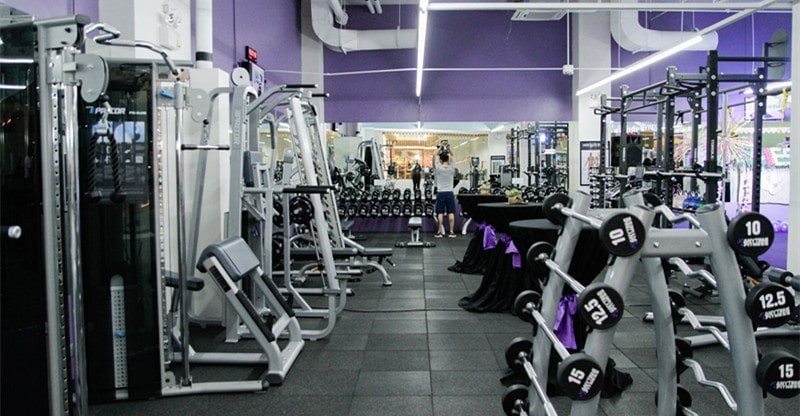
Run the trip, not just the tour
Visit at the time you expect to go most often. Time the whole trip from your normal starting point, including a parking search or a bus connection. A gym that is close on a map may still be awkward between work and dinner.
Notice what you would use
Check the space and equipment you came for, plus the entrance and changing arrangements. If something is busy, ask about peak times rather than assuming it will always be unavailable. Use a trial only as a sample of one visit.
Take the written terms with you
Check billing intervals, cancellation steps and any joining fee before signing. Compare the cost against the visits you can realistically make, rather than the number you hope to make. Avoid relying on an informal answer about contract terms.
Time the trip from the right starting point
Start the trial at work or home, wherever you will normally leave from. Note the time through the door, including the walk to the station or car park, and how long it takes to get changed. Do not compare one gym door-to-door with another based only on the train timetable. Visit when you would really use it and check the entrance, locker setup and staffed hours. A branch that looks quiet in the middle of the day may have quite different queues after work.
Imagine you can reliably spare 45 minutes between work and another commitment. Two ten-minute trips plus time to change may leave less room than expected. Try the nearer option once before assuming you will make up the time by moving faster. If the later trip home feels awkward, include that in the comparison.
Compare the parts you will repeat
Write down what you intend to do there in ordinary terms: attend one scheduled class, use particular equipment or fit a short visit between errands. Check whether the timing and facilities actually match. Ask how class bookings work, how far ahead they open and what happens if you arrive late. If equipment is busy, see whether there is a practical alternative you would use, rather than counting the number of machines across the room.
Read the terms for the exact option before paying. Note any joining fees, renewal rules, trial conditions and how to cancel. If you are choosing between a longer commitment and occasional visits, calculate the cost using the number of visits you are confident you can make. After the trial, record the single biggest reason you would skip the next visit. A convenient plan is one that survives an ordinary busy week, not just a free afternoon.
What to compare if both visits seem good
Try to answer the same questions after both visits: Did you need to wait to start? Was there a clear place for your usual bag? Could you get home without dropping something else you meant to do? Use the answer to rule out real problems, not to collect another score for every feature. If the more distant option has the group session you want, test that exact journey once before signing up. If the nearer one offers an adequately timed alternative, do not pay for a feature you cannot fit into a normal week.