Pack a Bag for an After-Work Class
Pack for the whole trip: the commute, the change of clothes and the ride home.
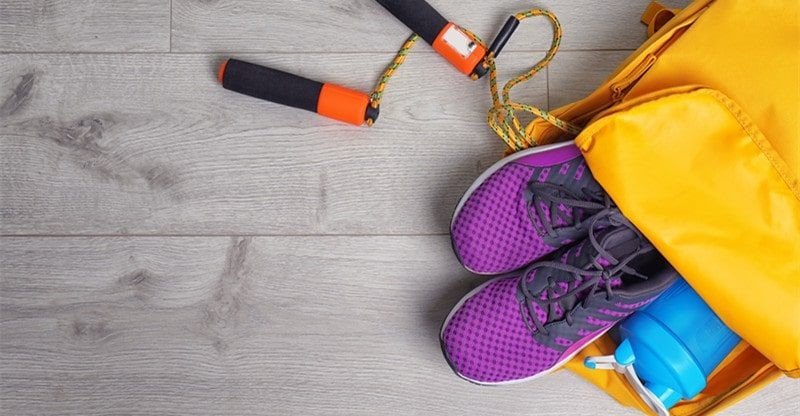
Start at the moment you leave work
Walk through the route from your desk to the class. Will you change at work, at the venue or after you arrive home? Is there a place to put your bag while you change? Check the venue's instructions for any equipment or footwear it actually requires. A towel may be supplied, while a locker may need a token or a phone app. Verify those details before packing a spare for each possibility.
If the class starts shortly after work, give yourself an extra minute at the door rather than counting on a shop stop on the way. Put anything you will need to show at reception where you can reach it without unpacking, and keep your work pass with the things you will take back to the office.
Build the minimum kit for this particular class
Lay out what you will wear and what needs to come home. For a class requiring indoor shoes, start with the pair you will actually change into and the socks you will use. Add just the venue's required equipment, your change of clothes and a bottle if useful. If you carry a laptop, test the bag with the laptop in place rather than judging capacity from the empty bag.
Use one small pouch for loose essentials. A separate pouch takes up less space than creating a second set of everything you carry at work. Keep the clothes in the order you will reach for them. Put clean socks on top if you change shoes first, and do not bury your keys under a folded kit.
Give the return journey its own plan
The bag changes shape after class: shoes are loose, clothes are no longer folded, and a bottle may be partly full. Leave enough room for that version of the load. Use a washable pouch for worn or damp kit and empty it when you get home. Keep water and damp clothing separate from papers and electronics; choose a bottle pocket you can reach and check the closure before leaving.
Where you will eat, change or wait can also affect what you take. A dry layer can be useful on a cold journey home. If adding it forces you to carry another bag, ask whether a layer you already wear to work can serve the same purpose.
Try the setup on an ordinary day
For a six o'clock class and a five-thirty departure, do a dry run: grab your bag, access the pass, change shoes, then pack everything back without spreading it across a bench. Time the part that feels rushed. If taking out the shoes blocks access to the kit, switch their position instead of buying a larger bag. If you repeatedly need both hands to get a travel card out, give it its own secure pocket.
Reset the bag before the next class
At home, remove used clothes, empty the bottle and let the bag and pouch dry as appropriate. Return only the items that can be stored ready for next time, such as the clean pouch or a spare locker token. Place the rest by whatever you will pick up next, rather than leaving it as a hidden job inside the bag.
After two trips, note one thing you carried but never used and one thing you struggled to find. Take the first out if it is not required; move the second. That small edit will tell you more about the right bag and kit than a general packing list.