Test a Backpack With the Things You Pack
Check access and fit with a real load before you decide which bag to take.
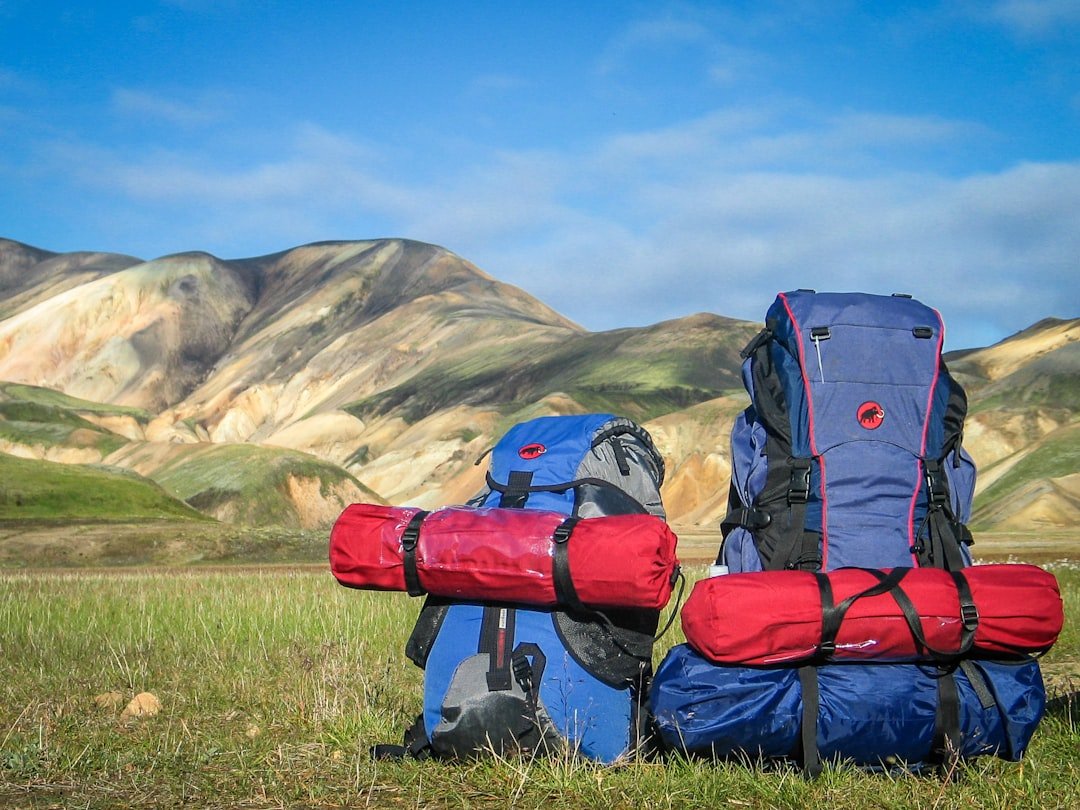
Load for the trip you are taking
Put in the things you expect to carry, including bulky layers and the bottle. If you are deciding between two bags, try the same contents in each. Measure a loaded bag rather than relying on the size it appears to be when empty.
Find what you reach for mid-journey
Try taking out a ticket or headphones without removing other belongings. Move frequently used items to an accessible zipped pocket. Bulkier things you will not need until arrival can sit deeper inside.
Walk a short practice route
Put the bag on as you usually would, walk round a room and manoeuvre through a doorway. If the bag catches or is awkward underfoot, remove the least useful item and try again before deciding you need a different bag.
Pack the odd shapes before the easy ones
Lay out the things that will dictate the bag: the thick layer, the bottle, the laptop if you are taking one, and anything you cannot fold. Place these first and then fill the gaps with smaller items. Check you can close the main compartment without pulling on both sides of the zip. If a laptop needs a sleeve, test the sleeve and laptop together. Measure the outside with the packed bag resting naturally, including bulging pockets, and compare with any limits applicable to the trip.
Try moving just one bulky item before discarding the whole layout. A bottle pressed sideways against a packed rectangular box may be better in a proper upright pocket, while a layer can sit on top if it will be used first. Put anything you need at the next stop in a place you can reach without repacking the harder items.
Compare two bags with a doorway and a seat
Walk your loaded bag through a doorway, put it down beside a chair and get out a ticket or earbud case. If you will travel on a crowded service, rehearse taking the pack off without swinging it around. Compare the same sequence in both bags, adjusting straps according to the maker's instructions. Look for what slows the trip: difficulty closing the opening, a reachable pocket that is too small, or more bulk than you need. Stop using a load or fit that feels uncomfortable rather than pressing through a test.
Leave room for the journey home, when things may not be folded as neatly. Pack your normal number of items again after the first trial and take out one optional piece. If the smaller setup works, use it. Record any dimensions or access concerns you need to confirm before buying or travelling; the useful outcome is knowing how the bag performs under your load, not collecting more specifications.
Check the empty space that the closure needs
After packing, practise zipping and unzipping the bag with it standing as it will in use. Look for objects that move toward the zip when you lift the bag. Large rigid items can push a small pouch out of the way or put pressure on a device without visibly overfilling the bag. Shift a single bulky item and repeat the test. If you are flying or travelling on a service with bag limits, check the requirements for the actual ticket and verify the loaded dimensions again after the change. Do not assume a marketing description is a guarantee that the bag fits.