Pack From the Itinerary, Not a Generic List
Use the things you will actually do to decide what goes in the bag.
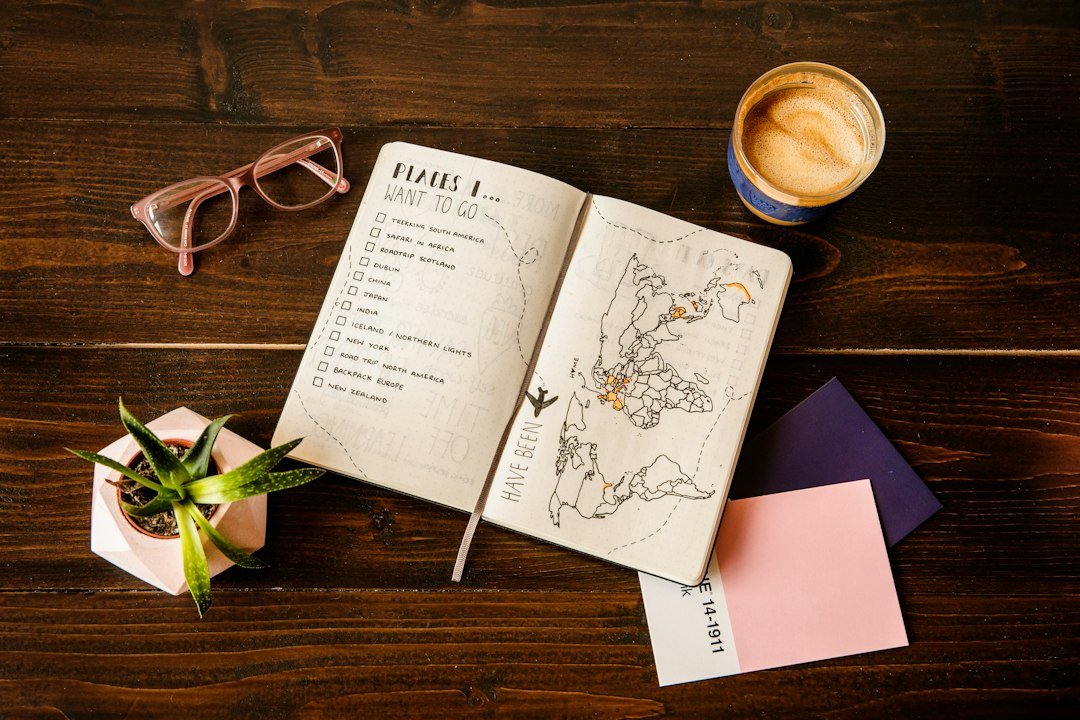
Turn each part of the itinerary into a need
A train ride, a dinner and a morning walk ask for different things. Write the activity and its practical requirement, such as hands-free carry, one neat layer or shoes suitable for the expected surface. Leave out activities that will not happen on this trip.
Reuse where it makes sense
Look for pieces that work for two blocks without adding awkward accessories. Try on the combinations before packing. If a dinner outfit requires a separate pair of shoes that will not be used again, see whether another item you own can serve both occasions.
Include the way home
Make room for dirty clothing and anything you buy. If the bag is full before you leave, remove an item that serves only an unlikely plan. Keep the final list so you can cross out the things you never unpacked next time.
Turn the schedule into a short working list
Start with the trip's actual commitments. A train ride needs the items you will reach for while sitting down; an evening booking may need a change of clothes; a morning outside calls for clothing and footwear suited to the expected conditions. Add any requirements specified by the venue or operator. Keep the requirements close to the activities so you can see why each item is on the list. If a plan is undecided, put its potential extras in one small optional group instead of packing for every possibility.
A weekend with a dinner and a short walk might call for one pair of shoes that does both, or two if the first pair cannot handle the route. Try the combinations at home. If one garment only works with several other pieces you would not otherwise take, it may be simpler to choose a different outfit.
Check the point when you need each thing
Imagine arriving before check-in and spending two hours out with your bag. Keep the things you will use then in a reachable pouch rather than putting them at the bottom for the evening. Put a charger, tickets or an extra layer where they suit your actual itinerary, and allow space for the return journey. Both days may have the same clothing requirements; they will not always have the same storage or access requirements.
After packing, scrutinise the list once by removing the things with no named use. Keep anything required for the trip even if it does not appear in a regular outfit. After you get home, mark one thing that was worth taking and one optional item that stayed packed. Use those notes to improve the next list, but change it when the trip changes. A list from a warm city break is not automatically right for a later weekend with different travel or weather.
Build a carry list for the part before check-in
If your room is unavailable until mid-afternoon, put the things needed before then on a separate short list. Match it to what you can carry during those hours, rather than assuming you will have access to every item as soon as you arrive. A layer and your booking details may need to stay with you while the rest can wait. Check any bag storage options directly before relying on them. A trip plan that includes the awkward gap between arrival and check-in usually produces a shorter, more useful list for the whole day.