Choose a Tote or Backpack for the Real Trip
Compare how you reach, carry and set down your things on an ordinary outing.
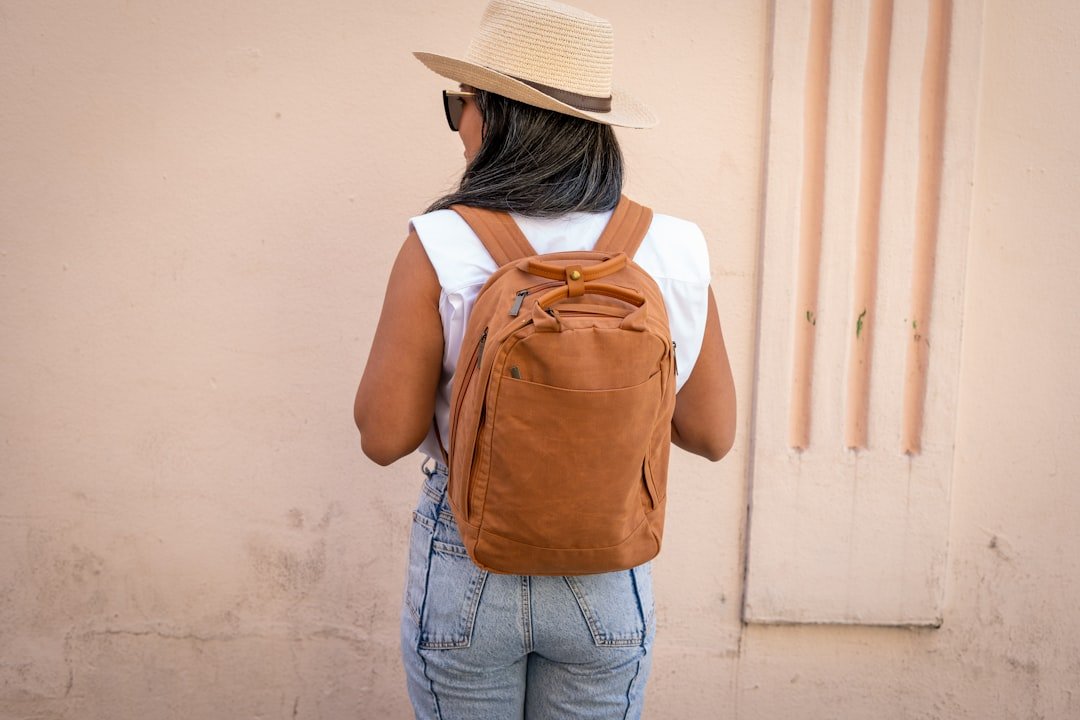
Name the awkward part first
Carrying two things to a cafe is different from changing trains with a laptop and lunch. Note when you need a free hand and when you need to reach into the bag. That tells you more than the stated volume.
Try both with the same contents
Put the same items in each bag. Open it while standing, close it again and set it beside a chair without the contents spilling. Test the bulky item last, because a lunch container or an umbrella can change the fit entirely.
Keep the choice reversible
If neither bag is ideal, remove the optional item and see whether one already works. For a mixed day, take the bag that handles the most awkward stretch, rather than the one that looks neatest when it is empty.
Test the route, not just the load
Walk through the trip with the two bags you already own. List when you have to lift or set the bag down, when you need both hands, and when you use the contents. A quick shop with two light items has different needs from a train trip where you will carry an umbrella and reach for a ticket. Put the item used on the move in the pocket you would really choose, then zip or close the bag and try getting it out without placing the bag on the ground.
Check how the bag sits when loaded. If the tote slides off your shoulder as soon as you reach for anything else, try wearing it with the coat you expect to use, or choose the alternative. If a backpack is awkward to open for frequent access, see whether its separate pocket is enough for the things you need most.
Choose the bag for the awkward stretch
Suppose you carry a lunch container, water bottle and laptop to work, then buy a couple of groceries on the way home. Test both bags with the lunch and laptop already inside. Add the groceries in a position that will not press on the laptop, and check the closure. A tote may be convenient for a short walk with easy access; a backpack can make sense if it keeps things stable and leaves your hands available. Neither option needs to cover an unlikely extra stop.
For a small load, try leaving the spare pouch or second layer out before deciding you need more capacity. If you switch bags at work, keep the few essentials in known places so they transfer without going through every compartment. Note the reason for your choice in plain terms: 'easier to zip during the train change' is more useful than 'looks like the right size'.
What if neither bag has a good quick-access pocket?
Compare putting the ticket or keys in an existing secure pocket on your clothing with rearranging the bag. If that solves the only awkward action, the bag with better carrying comfort for your load may win. If the trip requires repeatedly setting the bag down, check whether it stands as expected with the heaviest piece inside. Keep anything important in a compartment that actually closes. When both choices work, choose the one you can pack without adding another smaller bag to fix it. Record which part of the trip made the choice clear.