Give Small Home Tools One Shelf
Keep the tools for routine jobs together without building a second workshop.
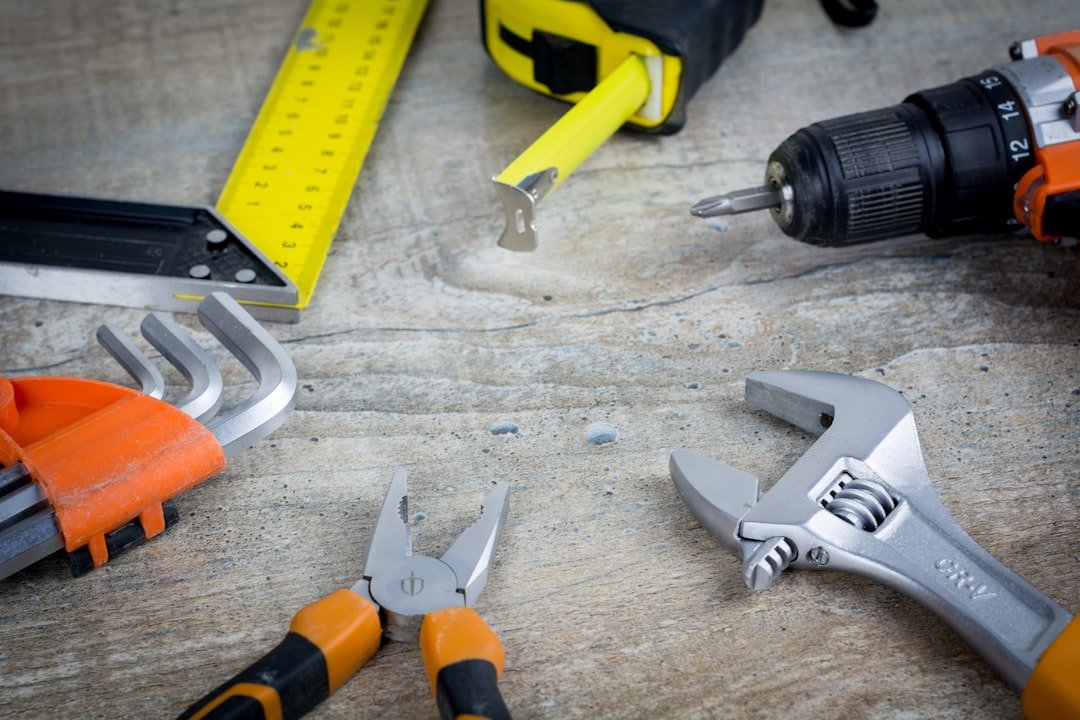
Choose the uses before the kit
Think of routine jobs like tightening a drawer handle or measuring for a shelf. Group the tools you use for those jobs before buying anything. Keep large or rarely needed equipment elsewhere if it crowds the useful pieces.
Make small pieces identifiable
Put spare screws for a particular item in a labelled packet with that item's instructions. Do not keep a guessing jar of loose pieces at the front of the shelf. Store sharp tools properly and keep them inaccessible to children.
Check return space
After using a tool, put it back without taking the entire shelf apart. If a box needs to come down every time, move the most-used tools to a smaller container at the front and put the less-used extras behind them.
Write down the last few jobs before you sort the tools
Think of three ordinary tasks, such as tightening a handle, measuring a space and replacing a compatible furniture foot. Put the appropriate tools for those jobs on a clear surface first. You may want a tape measure and a few common hand tools, but the exact mix depends on your household. Follow the instructions for every tool and know which jobs belong to a qualified professional. Do not let a well-organised shelf become a reason to attempt unfamiliar repairs.
Give small project-specific items a labelled home. If a shelf came with spare fittings, keep them with the instructions or clearly mark what they go with. Do not let unrelated hardware collect in the everyday tray. Choose secure and appropriate storage for sharp, heavy or powered items, especially if others have access to the room.
Try removing and returning the tool with the other items in place
Set up the shelf with the things you genuinely use, then practise taking out the measurement tool and putting it back. If you must remove the whole container, use a shallow tray for the light items you reach for repeatedly. Follow equipment and storage instructions, including any separate storage required for batteries or accessories. Do not crowd shelves or rely on loose stacking in a busy cupboard.
When someone borrows a tool, agree on an obvious place for it to return. If the same tool does not come back because its container is hard to open or hidden behind other pieces, change the storage rather than adding more labels. Review the shelf after a few weeks and move specialist tools out of the working row. Leave enough room for everything to return when two small jobs finish at the same time.
Separate borrowed tools from the household kit
Keep a temporary space for something you borrowed or that must go back to a particular person. Mix it into the permanent arrangement and it is easy to lose track of whose tool it is. Write one small label for what belongs to a project and clear it when the job is finished. For the shelf itself, note which items should not be kept loosely together and follow the manufacturers' storage directions. If a tool is always needed in another room, move its home only when the new spot is appropriate and people know where to return it.