Set Up a Guest Bathroom People Can Use
Make the towel, spare roll and essentials easy to find without a tour of the cupboards.
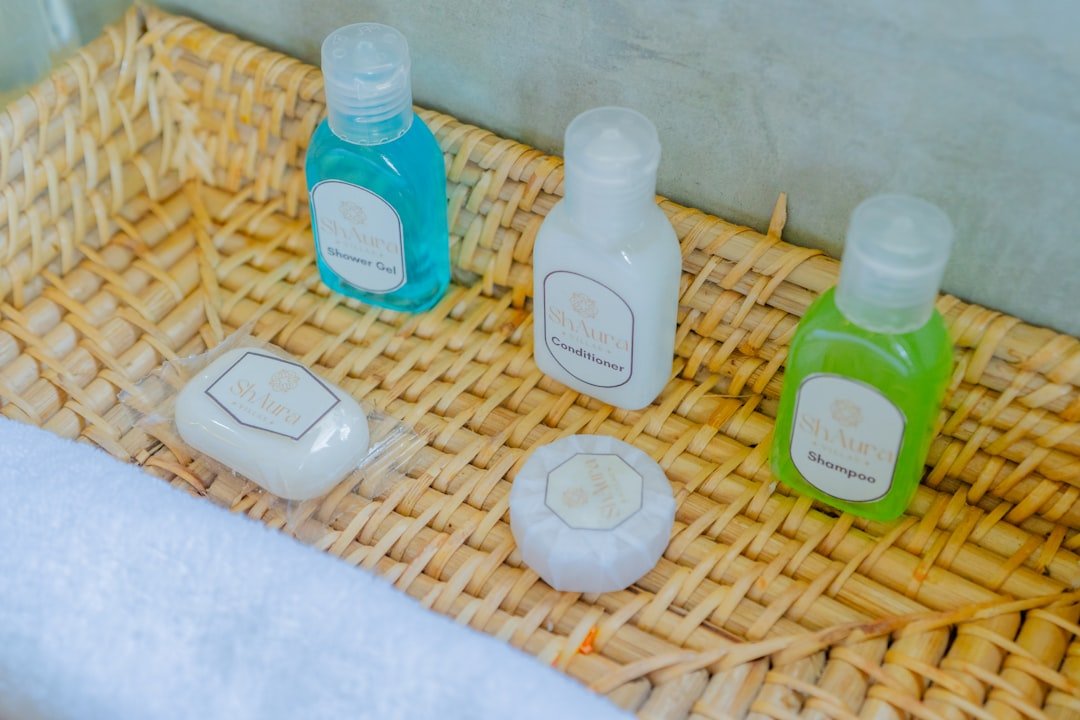
Look from the doorway
Check what a guest can find without opening a drawer. Put a fresh towel where it is easy to distinguish from personal towels and make the spare toilet roll easy to spot without cluttering the whole counter.
Clear one useful surface
Leave enough space for a small wash bag or glasses. Move personal items to their usual closed storage, and keep products in their original containers. No basket is needed if a clear corner already does the job.
Walk through a night-time visit
Check that the route is clear and the light switch is easy to find. Put the bin within reach and remove anything that gets in the door's path. After the visit, return the room to its usual arrangement without having to unpack a decorative display.
Set out what a visitor should not have to hunt for
Stand at the doorway as though you have never used the room. Find the means to turn on the light, the hand towel, soap and a spare roll. Look for a practical dry landing spot for a wash bag. If a visitor needs to move several products to put something down, clear one surface rather than filling the gap with a decorative basket. Place essentials at a usable height and ask guests about access needs where appropriate. Do not assume the room is easy to use just because you know where everything is.
For a shared bathroom, distinguish guest supplies from personal supplies with placement. A clean towel on a particular hook is easier to understand than a large stack of folded towels in a cupboard. Keep cleaners and personal items stored appropriately rather than relocating them into the guest's way.
Check the room between visits as well as before them
Imagine one guest staying overnight and the rest of the household needing the room in the morning. Set out only the things the guest is likely to need. For a longer visit, provide somewhere they can return their own toiletries without leaving them beside everyone's toothbrushes. If the counter is small, consider a suitable shelf or removable tray that does not narrow a route or cross a wet area.
On the way out, check that the door closes easily and that the bin and spare roll can be reached without crossing an awkward corner. After the visit, return the room to its ordinary layout and remove only the supplies that were set out for the guest. If the reset requires unpacking all the cupboards, simplify before the next visit. A useful test is whether another person could set up the room from a short note without rearranging anything else.
Prepare what fits the length of the visit
A daytime guest may need only a hand towel, soap and clear access. An overnight visitor may also appreciate a clean surface for a wash bag and somewhere to hang a used towel. Set out the things needed for that visit rather than trying to recreate a hotel shelf. Ask about any access needs you can accommodate, and check the room at the time of day it is likely to be used. Remove anything that creates an unnecessary detour from the doorway to the sink. Leave the rest of the room in its familiar arrangement so everyone can find what they need.