Give the Sink a Clear Finish Line
Set out a simple order for dishes, drying and returning everything to its place.
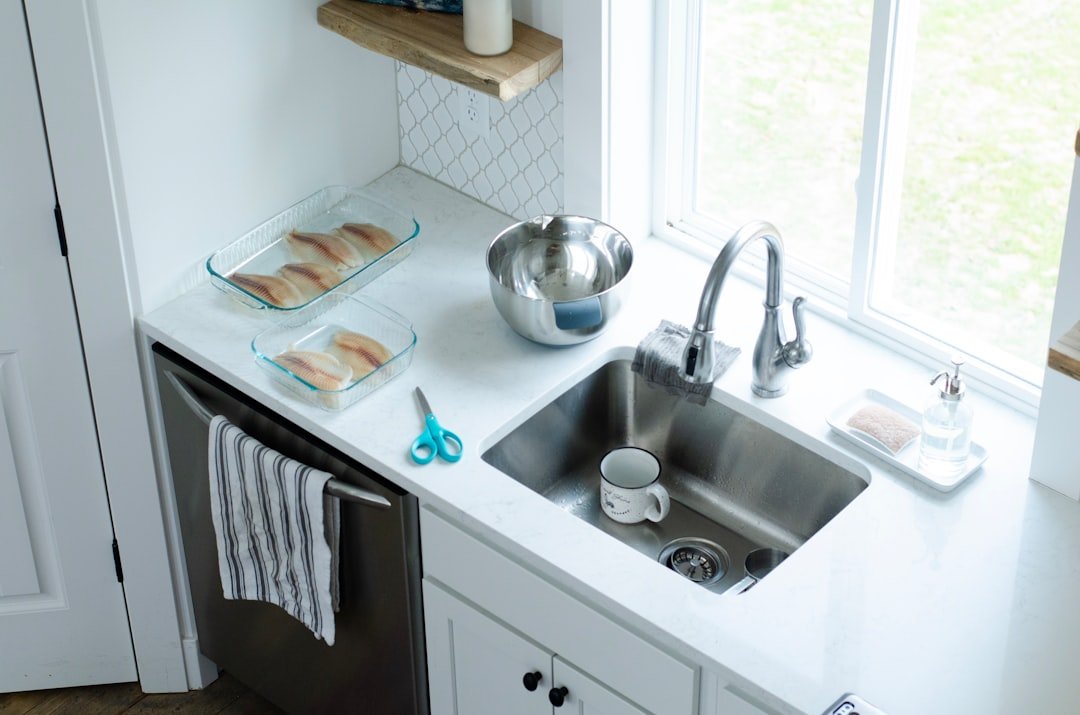
Make room before you start
Empty the drying rack if it already holds clean dry dishes. Use a small landing area for dirty plates rather than covering the whole counter. If the worktop is tight, deal with the biggest object first so you have room for everything else.
Separate wet from finished
Put things that need to drain together. Return dry utensils and cups before adding another load to the rack, and keep the drying area clear of items you still need to wash. A towel or tray is useful only if it can be removed and cleaned easily.
Define what done looks like
Try ending the job with the sink empty and a single group of drying items left out. That is easier to repeat than trying to make the kitchen look unused. Move the utensil pot or rack if it is always in the way of the last step.
Make room for the widest awkward item
Start with the thing that makes the sink hard to use, such as a roasting dish or big mixing bowl. See whether draining space, not washing space, is the real bottleneck. Dry and put away the existing clean items, then set out somewhere suitable where the big dish can stand. If the tray covers the only area left for plates, wash the big item when the first dishes are clear rather than trying to do everything at once. Follow the care instructions for materials that need different washing or drying.
In a shared kitchen, separate the workspace for things still to be washed from space for clean items. Make the boundary physical if necessary with the tray, rack or a short side of the sink. Avoid spreading work from the sink across surfaces you will use for preparing food later.
Agree what the last person leaves
A useful end point is being able to approach the sink, turn on the tap and use it straightaway. That may mean the drying rack still has a couple of clean pieces on it, but it should not mean there is a pot you have to lift out first. If someone cannot finish the whole cleanup, define a handover: put away what is dry, keep the sink usable and leave the unfinished item somewhere appropriate rather than burying it under other things.
Try that routine after a dinner that normally leaves the most washing. Note the action that takes the longest or leaves you standing in the way of someone else. Move the cutlery drainer, reduce the pile on the counter or change the order of the largest items. If the finishes repeatedly fail because you cannot put dry pieces back without opening several cupboards, fix that storage path rather than adding another drying rack.
Keep a wide basin from swallowing the whole routine
When a large item needs individual handling, give it a suitable resting place while you clear smaller things. Put away the dry glasses first if that frees enough room for the plates to drain. Then handle the wide item using its care directions. On a night when you cannot reset everything, leave the tap and basin accessible rather than using the sink itself as general storage. If a particular piece regularly forces this exception, decide where it should wait before a meal rather than improvising while dripping dishes are already on the counter.