Put Everyday Cleaning Supplies in One Caddy
Build a small carry kit from the tools you use together.
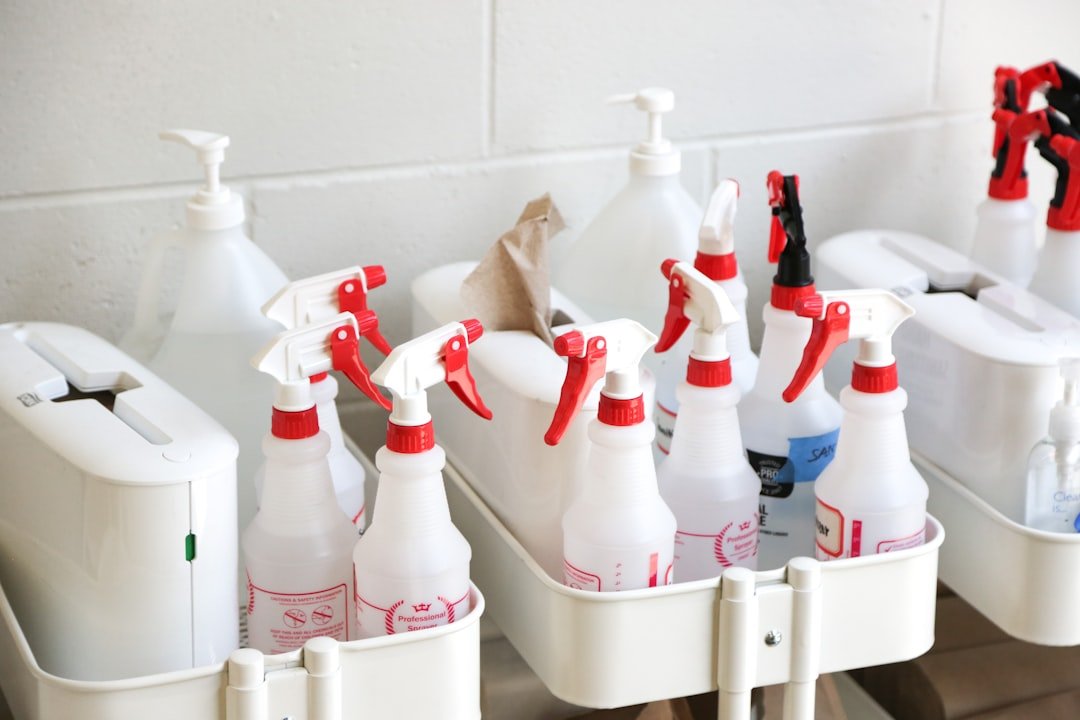
Pick one recurring job
Start with the things you use when clearing the kitchen after dinner, rather than trying to fit every household cleaner into one basket. Keep products in their original, labelled containers and follow their storage instructions. Do not mix products to save space.
Fit the caddy around fixed obstacles
Measure the height under the shelf and the opening with the cupboard door in its usual position. If you store the caddy near plumbing, keep the valves and pipe joints visible and accessible. Pick a stable base that you can lift without tipping bottles.
Trial it without buying a kit
Use an existing container for a week. If a spare never gets used, move it to an appropriate storage spot. Keep cleaners out of reach of children and pets, and put the kit back after each job rather than leaving it on the counter.
Build a carry load you can put down
Start with a dry cloth and the specific things used in one routine, such as a kitchen counter reset. Trial the load in a container already in the house. Carry it between the sink and the places you clean, then set it down where you will actually work. If it fills the only spot for dishes, use a smaller carrier or store one frequently used item at its point of use. Do not carry loose liquids together if you cannot keep them upright. Follow product labels for use, storage and separation, and leave the original labels intact.
With a deep sink cupboard, measure the opening and the path around the pipes. Try removing the empty caddy while the door is open to its usual angle. A handle tall enough to catch a shelf or short enough to pinch your fingers can make the unit awkward even when its base fits.
Separate the job from the stock cupboard
Avoid carting unopened replacements through the house. Keep supplies that do not belong in this routine in appropriate storage and follow their labels, especially where children or pets may be present. At the end of the job, return each bottle and make a separate place for cloths or tools that need washing or drying. If you often carry the same thing upstairs, compare a smaller dedicated kit for that room with the effort of carrying your larger one. Only duplicate the items you repeatedly need in both places.
Look at the caddy after several uses. The product that always stays behind may not be part of this routine, while the thing you keep walking back for needs a fixed spot. Adjust for that difference before buying a fitted organiser. Check that the valves still remain visible and that you can remove the caddy without catching or leaning on anything under the sink.
Use two small stages for a heavy clean-up
For a kitchen reset that uses different tools at different moments, carry in just the first set, return it and pick up the next set only if needed. Avoid leaving all the bottles open or unattended while you work elsewhere. A small handled container for dry cloths may be useful even when products are better left in their own suitable storage. If the caddy is hard to put down at the destination, that is a sign to lighten it or break up the job. Test the handoff before fitting a new rack inside a cupboard.