Turn Orzo Into a Flexible Weeknight Dinner
Pick a vegetable, a filling addition and one finishing flavour before you start.
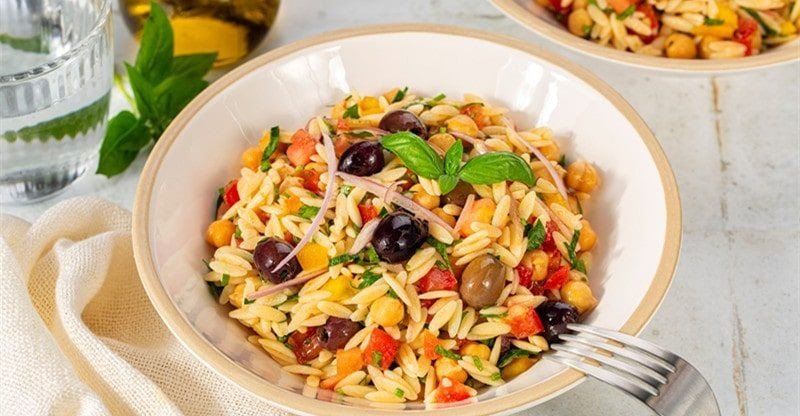
Choose the finish before cooking
Think about whether you want a warm bowl or a chilled lunch before seasoning the orzo. For a warm bowl, plan to toss everything together just before serving. Keep a dressing separate if you are still deciding how much the dish needs.
Make a simple combination
Try orzo with roasted peppers, chickpeas and a squeeze of lemon. If the peppers need more time than the pasta, start them first. Follow the pasta package's cooking directions and add the finishing ingredient a little at a time.
Change one part next time
A good base need not turn into the same dinner every week. Swap peppers for peas, or lemon for chopped herbs. Keep seasoning changes separate so you can tell which substitution actually improved the meal.
Decide how much work you want the pan to do
A weeknight orzo dinner can be a simple side, a bowl with several toppings, or a one-pan dish. Choose the version before deciding what to cut up. For a side, cook the pasta according to the packet and finish it separately from the rest of the meal. For a bowl, pick one substantial addition and one ingredient that changes the flavour or texture.
If using a one-pan recipe, stick to its liquid and timing instructions rather than swapping in ingredients that release a very different amount of water. If you are improvising and not sure how much liquid your vegetables will release, cook the parts separately. It is easier to bring them together at the end than to rescue a pan whose texture is already wrong.
Work from a realistic weeknight example
Suppose you have courgettes, a tin of beans, a lemon and a little cheese. Start with the part that needs the most attention: cook the courgettes as you prefer, and get the pasta going while they finish. Check the beans' directions and prepare them as stated. Combine a small portion first, then decide how much lemon or cheese belongs in the rest. If one person does not want the cheese, it can stay on the table rather than becoming a second meal.
If you only have cooked vegetables that are still suitable to use, build a bowl instead of attempting a one-pan recipe. If the pantry has tomatoes but nothing fresh, plan for a tomato-based dish or serve the orzo alongside something else. Let the ingredients decide the version you make.
Shop for roles and keep the second meal flexible
Write the list as base, substantial addition and finish. Choose one thing for each role that you do not already have. If a recipe asks for a herb you rarely use, look for a smaller bunch or pick a different finish that makes sense. Do not buy four extras to reproduce a photo when the reason for making the dish was a quick dinner.
Before cooking extra, decide what you want from the next meal and follow appropriate storage guidance for the ingredients. You can also simply make the amount you need and keep the uncooked pasta for another day. Write down the combination that worked, including which steps needed separate pans. That note is more useful than starting from another recipe every time.