Store Kitchen Towels by What They Do
Separate everyday drying, wiping and spare towels without filling a whole drawer.
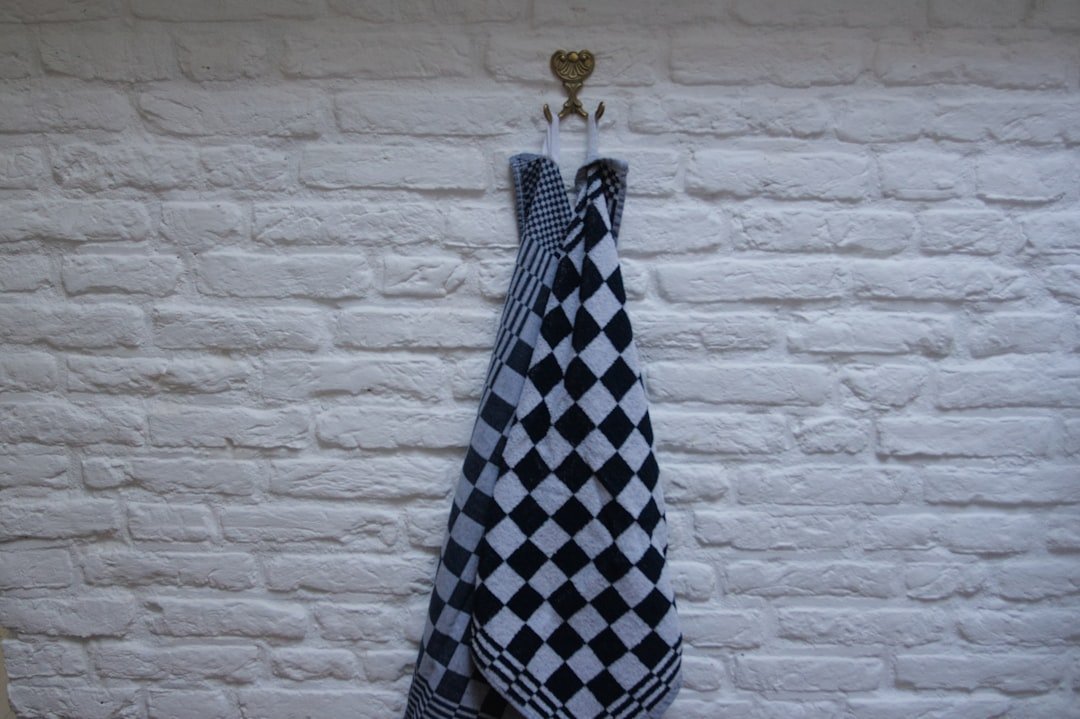
Work from the towel already on the hook
Notice if you are using one towel for several jobs because the others are too far away. Put the dish-drying towel near the rack and make a distinct spot for wiping cloths. A towel that is in use needs somewhere to hang without blocking a handle.
Separate the spare stack
Keep a few clean spares near their point of use. Fold them to the depth of the shelf, not to match an unfamiliar system. If the stack falls forward when you pull one piece, make two smaller stacks or stand the towels on edge.
Let the next wash tell you the right quantity
Before bringing more into the kitchen, count how many you use between washes. If clean towels remain untouched for weeks, put the extras elsewhere or repurpose them rather than adding a basket that narrows the worktop.
Map the three places a towel waits
Look for the active hanging spot, the clean supply and the laundry destination. They do not have to be in the same cupboard. For example, in a narrow kitchen, hanging a towel from the oven handle may make it catch when the door opens or leave it near heat. Choose a suitable hook away from the appliance. Give wet cloths somewhere appropriate to air before washing rather than tucking them into the clean stack.
Identify the two jobs you most often confuse. If a dry dish towel gets used for clearing spills, make those two destinations obvious: one closer to the rack and one within easy reach of the wiping supplies. You do not need a different colour for every task, but a different placement or texture can make the choice obvious when you are in a hurry.
Set the stock by how often you wash
Imagine you use the kitchen towels every day and wash them twice a week. Instead of choosing a number from a generic list, check how many clean ones remain just before the next wash and whether you have to borrow from another room. Keep a practical rotation plus a spare for an unexpectedly busy meal. Put towels for special jobs elsewhere if they crowd the daily space. Fold the stack to fit the shelf, not to create more work each time you unload it.
Return clean towels to their place after the next wash. You should be able to fit them all without squashing a roll underneath another pile. If the open shelf sits where cooking splashes reach it, use a clean drawer or another suitable place. If one towel is always left crumpled, improve the hook or route before buying more. A good setup leaves room for the used towel and the replacement at the same time.
Give occasional jobs a separate home
If you use a special cloth for a particular appliance or surface, keep it with the other items for that job when its care and storage directions allow. That stops the everyday towel drawer becoming home to several one-purpose cloths. Try writing the job on a small shelf label rather than buying new matching towels. If the usable hook is outside the ideal route, put a clean spare close to the drying rack and keep the used one separate. Then check after cooking whether you remembered to return the spare, because that is the point most likely to fail.