Keep Folded Jumpers Visible on a Deep Shelf
A shorter stack or one front row makes it easier to grab the jumper you want.
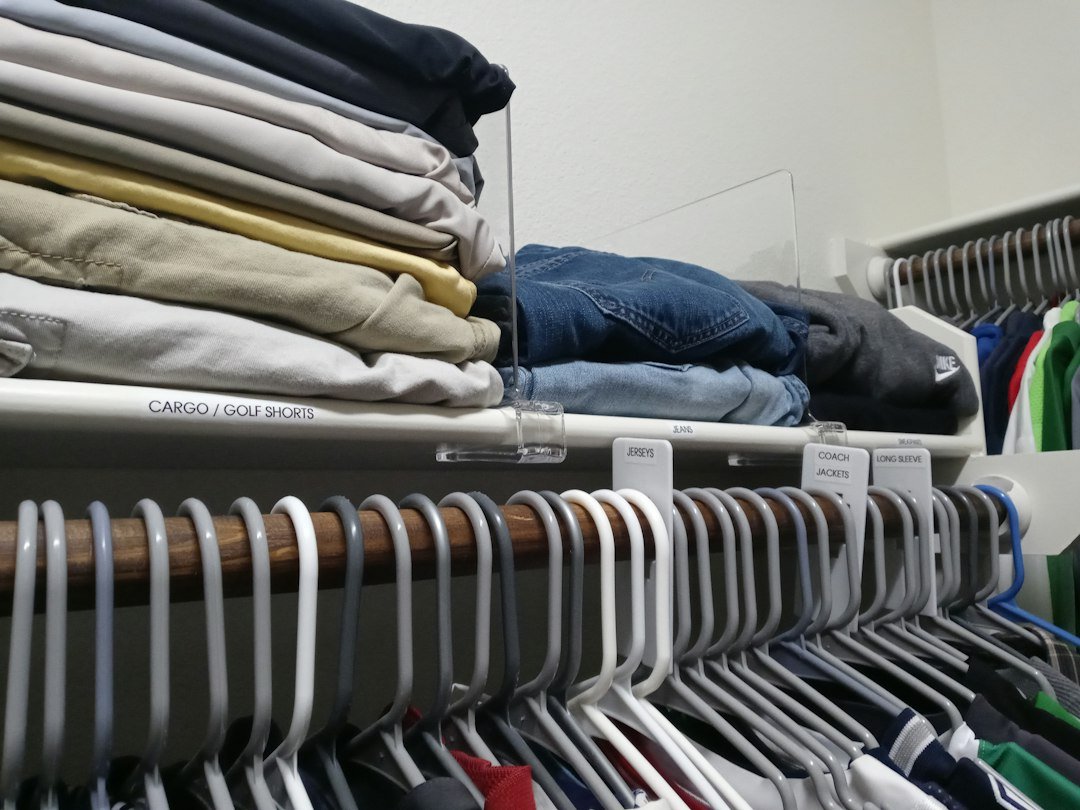
Take out the pieces you wear now
Separate the jumpers you use weekly from the ones stored for later in the year. Put the regular group toward the front so you do not need to lift a second row. Keep hangers or storage that suit each garment's care needs.
Make the stack easy to extract from
Use a low stack of similar thicknesses. If pulling out the middle piece topples the rest, split the stack into two piles or use a shallow divider. Test with your bulkiest jumper instead of arranging only thin ones.
Revisit after the next wash
Put clean things back in the space you created. If the old pile returns, reduce the number in the weekly group or make the shelf easier to reach. A workable shelf should fit all the regular pieces when they are clean at the same time.
Find a fold that works with the shelf, not an ideal shelf
Measure the depth you can reach comfortably. Treat the back as a different storage position rather than extending the front stack endlessly. Fold the bulkiest piece according to its care needs and see how it lies on the available shelf. If the front edge makes several pieces slide, try a lower pile or a side-by-side position. Keep a heavy jumper from sitting on top of something you need to pull out most days.
For a deep shelf, the back can hold out-of-season items if you can identify them and remove them without upsetting the front. If you cannot see or reach the back easily, leave it partly empty or use suitable storage you can pull forward. Do not fit a second row simply because it is physically possible.
Make the system work when you pick from the middle
Try taking out one of the pieces you use often without smoothing the remaining stack first. If the pile leans or the garment stretches, split the pile or place its most-used members side by side. Arrange only the current rotation where your hand can reach it and move the occasional pieces to a suitable separate spot. If you share the shelf, give each person a clear boundary rather than trying to distinguish stacks that look the same.
After washing the next load, return the clean pieces all at once and see whether they still fit without being compressed or hidden. Leave some free space for something you did not remember was in the wash. If you never choose the item at the back, decide whether it belongs in this rotation rather than moving it endlessly from one side to the other. An easy-to-use shelf takes less time to reset when the room is busy, not just when it has been freshly rearranged.
Adapt the shelf for a short rotation
Put three pieces you expect to wear this week in a row you can see. Return a clean piece while the other two are in use and again when they are back, so you know how to use the spare space. If a bulky fold covers the shelf label or catches on the door, try a different fold that suits the garment rather than forcing the opening. Store pieces you will not need this season as directed, in a position you can identify later. A short front row can stay useful even if the back of the shelf is set aside for a different purpose.