Keep a Weeknight Pantry Section
Group the staples for two or three meals you already know how to make.
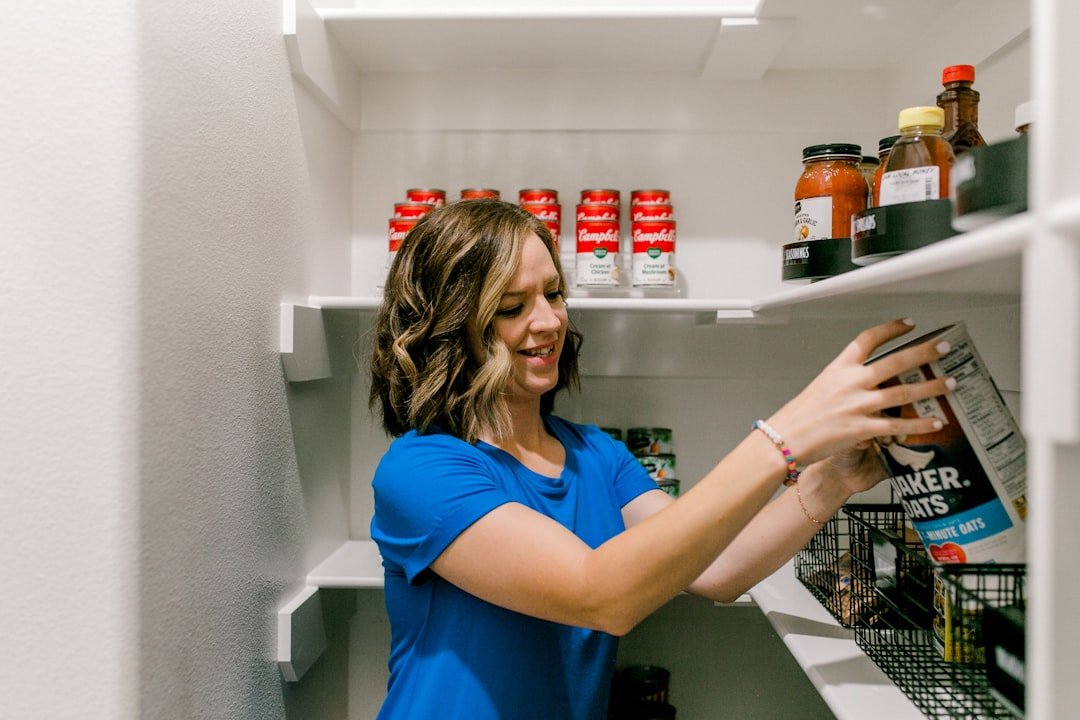
Choose meals, not containers
Pick a few dinners based on routines you already have. A tomato pasta night might need pasta, tomatoes and beans; a rice bowl might need rice and a sauce. Check what you own rather than buying everything on a sample list.
Arrange for one glance
Put the most useful ingredients on the middle shelf with labels facing out. If your cupboards are deep, use a shallow box for small packets rather than hiding larger tins behind it. Store everything according to its packaging instructions.
Restock with a note
When you use the last packet, add that ingredient to your shopping list immediately. If one meal's ingredients remain there month after month, replace that meal idea with something you actually cook rather than buying a new set of organisers.
Give the shelf a job for a late evening
Choose two meals you know how to put together when you are short on time. One might start from pasta, tomatoes and beans; the other might start from a grain or a sauce already in use. Lay out the ingredient groups and identify the parts that can be kept in the pantry according to their packaging. Put genuinely shared items in one spot so you can see how much remains instead of creating two half-empty packs. Write the actual meal names on a small card if it helps someone else use the shelf.
If the section is above eye level, use it for things you can lift and see easily. Put tins or bottles where they can be used safely rather than stacking them on top of a shallow shelf. Leave the small specialist ingredients in their existing place unless you know they solve a weeknight problem.
Give replacements a clear trigger
When you use the last of an ingredient from one of the dinners, put the amount and purpose on your list. 'One tin for pasta' beats 'buy pantry staples' because you can check what is already there. If you do not need to replace the whole meal, remove only the ingredient that did not work. If the same sauce never moves, ask when you last made the dish before buying a second bottle.
A low shelf in a tiny cupboard can work with one short front row and a list of the meals elsewhere. A deeper pantry may need small packets near the front and tall containers behind, with labels visible from the door. Try building one dinner after coming home late. If you can find the base but still have to make an extra trip to the shop for a key ingredient, adapt the meal or keep a realistic alternative on hand. The shelf succeeds when you use it, not when it stays perfectly full.
Plan the backup for a person who did not write the list
Ask someone else to pick a dinner from the shelf without moving the other containers. If they can see the pasta but not the ingredient required to finish it, put the missing decisions on a card or change the arrangement. Keep the instructions from each pack, especially when different versions are stored together. A shelf label such as 'two easy dinners' is more helpful than a vague sorting system if everyone knows what it means. If you live alone, use the same test after a late arrival, when you are least likely to decode an elaborate plan.