Give Keys a Landing Spot by the Door
Put the tray where the keys change hands, not wherever a shelf looks empty.
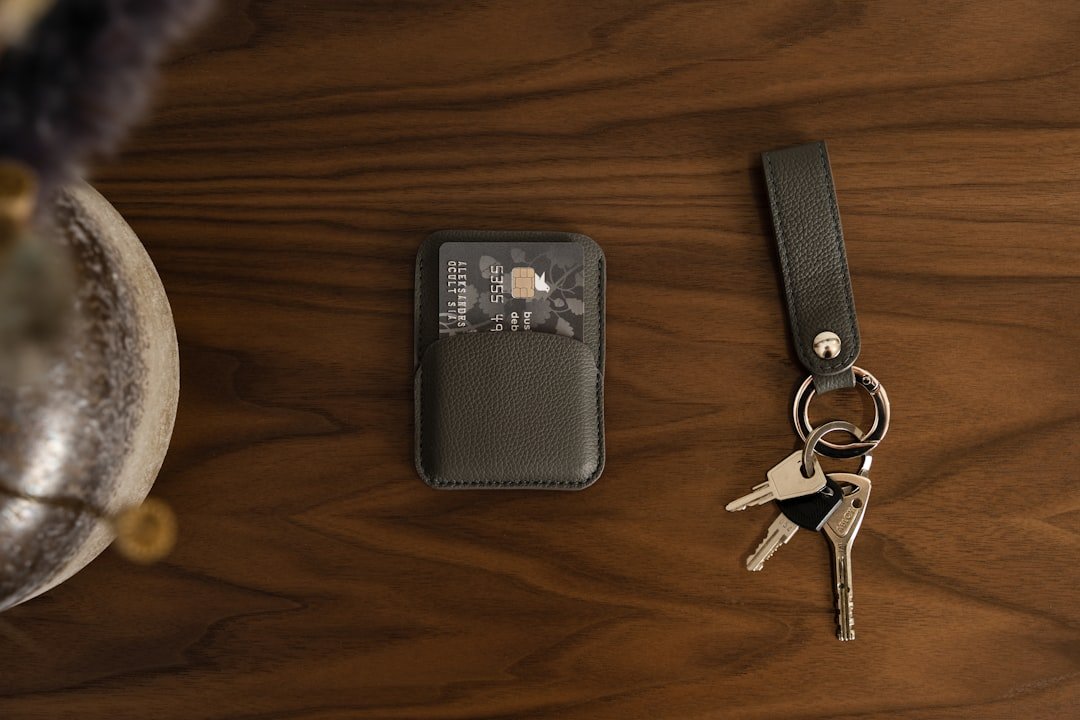
Follow the first steps through the door
Notice when you put the keys down: before taking off a coat, beside the post or after setting down a bag. Find a stable surface close to that moment without using a ledge that can be knocked when the door opens.
Size the spot for the actual things
A tray only needs to hold the keys and perhaps one other essential. Give receipts and post a different destination, so they do not cover small items. Keep spare keys in a suitable secure place rather than mixing them with the daily set.
Make it work with hands full
Try the setup while holding a bag or a coat. If getting to the tray still takes two hands, move it or remove a nearby obstacle. Check where the keys actually end up after several ordinary arrivals.
Rehearse arrival with the things you usually carry
Walk in with your usual bag, coat and keys rather than trying the setup with empty hands. Notice which hand holds the keys when you shut the door and whether the place you chose is on that side of the route. Test a temporary tray on a stable surface before attaching anything. Avoid a place where the door can knock it, or one that leaves the keys visible or easily reachable from outside. If you rent or share an entrance, agree on the setup before fixing hooks or rearranging furniture.
Suppose the closest cabinet is on the left but you always hang the coat on the right. If using the cabinet means doubling back, choose a suitable position close to the coat route. Keep the spot small enough to make it obvious when the keys are missing. A pocket full of things or a deep basket makes that harder to see.
Give things that are not keys their own destination
Pay attention to the items that cover the keys by the end of the week. If post piles up there, reserve a different place for papers that need action. If the daily set and the spare set look similar, separate them; keep spares securely as appropriate. In a shared home, choose a distinct spot for each person's set instead of assigning everyone one crowded tray. Try returning the keys without having to move someone else's belongings.
When leaving, see whether you can pick up the keys at the same point you collect the bag. If you frequently walk out to the car and then come back for them, move the cue to the exit routine rather than adding another check halfway down the path. After a week, keep the place the keys actually return to, provided it is accessible to the household and secure.
When the front door opens straight into a room
Pretend you are coming home with both hands full. If the first safe place to stop is a table away from the door, put a small tray there rather than crowding the entrance. Check what other purpose the surface serves. A tray that disappears when the table is set will not help on the busiest evenings. For a door used by several people, leave enough room around the tray so one set can be lifted without moving the others. Choose a placement that is not visible or accessible from outside, and reassess if you change how you use the entrance.