Build a Crispbread Lunch That Stays Crisp
Keep the dry and wet parts separate until you are ready to eat.
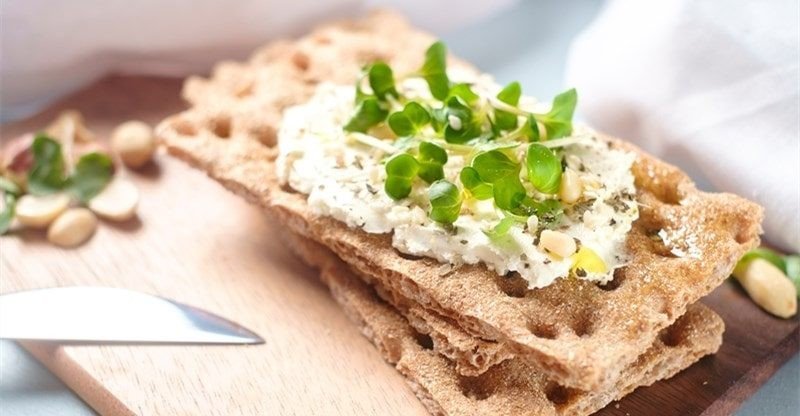
Pack a base and a topping separately
Put the crispbreads in a small rigid container with enough room to avoid cracking them. Pack a spread and any damp ingredients separately. A flat knife or spoon makes it easier to assemble lunch without balancing everything on the container lid.
Build one bite first
Spread a little hummus over one crispbread, then add a few cucumber slices rather than piling them all on at once. Eat that piece while it still has texture. Keep the next one unassembled until you need it.
Adjust the pack after you eat
If you kept reaching for a second container, combine compatible toppings next time and keep only the crispbread separate. Handle and store perishable toppings according to their instructions, using ingredients suitable for wherever you will eat.
Pack in the order you will eat
Lay out the dry pieces and decide what has to stay separate. The simplest setup is a rigid box for crispbreads, a sealed container for the spread, and another for a topping that releases moisture. Pack a small utensil where you can reach it first. If you eat at a desk shared with others, choose toppings you can portion directly from the container without balancing a board across your lap.
Imagine packing two portions for a day away. Put each dry portion in its own small layer, so opening the first does not expose all the crispbreads to a wet utensil. Choose a bag and storage method suitable for the topping ingredients, following their packaging directions.
Match the topping to the crispbread
Test the first bite at home. The spread should hold the topping without requiring enough pressure to break the base. If your crispbread is thin, use smaller pieces of topping and spread toward the middle rather than trying to cover the edges. For a broad, sturdy piece, place the heavier part over a section you can hold underneath.
Try a thick spread with sliced cucumber kept in its own container. If the topping slides off, make shorter slices or use one smaller piece per bite. If the spread is awkward to apply, try dipping a broken piece instead. Decide whether you want a meal you assemble or a set of things you can eat individually.
Make the plan work away from a kitchen
On a train with a small table, opening several containers at once may be more trouble than it is worth. Pack a single topping you can eat with the crispbread without assembling each bite. In an office where you can set the containers down, bring a couple of toppings if you already have them. The storage you can rely on matters more than the number of options.
Check your bag at the end of the day. If the crispbreads broke, improve the support inside their box rather than adding padding around every other item. If the base stayed crisp but lunch took too long to assemble, bring fewer toppings or make a bowl next time. The best test is whether you would pack the same lunch again.